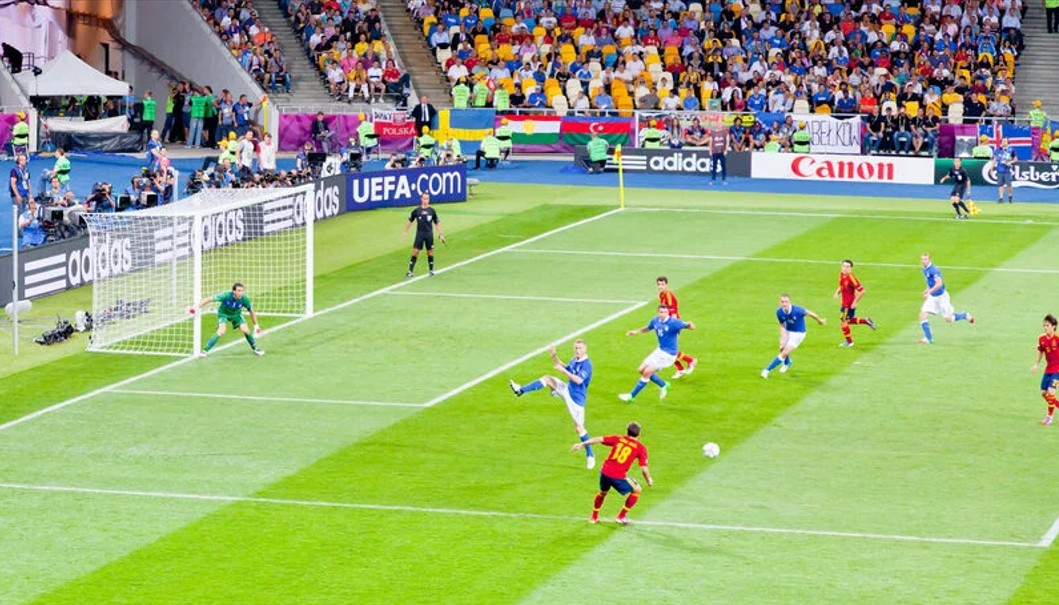
Counter-attacking success in Serie A is not driven by speed alone, but by structural discipline, opponent interaction, and game-state awareness. Certain teams consistently perform better when absorbing pressure and striking in transition because their tactical design, player profiles, and risk tolerance align with reactive football. This article explains why some Serie A teams are particularly suited to counter-attacking scenarios, how this tendency appears during matches, and under what conditions it becomes most effective or breaks down.
Why Counter-Attacking Profiles Thrive in Serie A
Serie A’s tactical culture emphasizes spacing control and defensive order, which paradoxically creates ideal conditions for counter-attacking teams. When dominant sides commit numbers forward in search of controlled possession, transitional spaces emerge behind advanced full-backs and midfield lines.
Teams built to defend compactly and break quickly exploit these moments more efficiently than those attempting to control tempo themselves. The effectiveness of counter-attacking profiles in Serie A stems from patience and positional discipline rather than continuous pressing or possession volume.
Defensive Compactness as the Foundation of Transitions
Counter-attacking teams rely on compact defensive shapes that limit central access and force opponents wide. By narrowing space between defensive lines, these teams reduce the number of high-quality chances conceded while positioning themselves to recover the ball in predictable zones.
Once possession is regained, the distance to attacking outlets is shorter, allowing quick progression without elaborate buildup. This compactness ensures that counter-attacks are launched from balanced positions rather than desperate clearances.
Key defensive behaviors that support counter-attacks include:
- Narrow back lines that protect central channels
- Midfielders screening passing lanes rather than pressing high
- Delayed engagement to force predictable passes
- Clear recovery roles for wide defenders
After these behaviors are consistently applied, transitions become repeatable rather than opportunistic.
Player Profiles That Enable Effective Counter Play
Not all squads can execute counter-attacks effectively, even if they defend deeply. Successful counter-attacking teams feature specific player profiles that complement this approach, particularly in midfield and attack.
Attackers must combine pace with decision-making, while midfielders require the ability to play progressive passes under immediate pressure. Defensive players also need composure to release the ball accurately rather than simply clearing danger.
A simplified comparison highlights this alignment:
| Role | Counter-Attack Optimized | Possession-Oriented |
| Striker movement | Vertical, channel runs | Central, hold-up |
| Winger profile | Direct acceleration | Ball retention |
| Midfield passing | Forward-first | Lateral control |
| Defensive risk | Accepted | Minimized |
This balance explains why some teams remain dangerous despite low possession figures.
Opponent Matchups That Amplify Counter-Attacking Value
Counter-attacking effectiveness increases when opponents dominate territory without adequate rest defense. Teams that press aggressively or overload wide areas often leave central lanes exposed during transitions.
Serie A sides facing such opponents frequently accept long defensive phases, knowing that one or two successful breaks can decide the match. This dynamic is particularly evident against teams chasing wins or protecting slim leads.
Conditional Impact of Opponent Game State
When opponents trail or feel pressured to attack, counter-attacking teams gain structural advantage. Increased opponent risk-taking creates larger transitional gaps, raising the probability of high-quality chances from limited possession.
This condition explains why counter-attacking teams often perform better as underdogs than as favorites, where they are forced to initiate play instead of reacting.
Match Flow and Timing of Counter Opportunities
Counter-attacks do not occur evenly across matches. They cluster around specific phases, particularly after turnovers in midfield or during moments of opponent overcommitment.
Late-match scenarios are especially favorable. As fatigue sets in, defensive recovery slows and positional discipline erodes. Teams built for counter play often conserve energy early, then exploit these late-game inefficiencies.
A typical counter-opportunity sequence unfolds as follows:
- Opponent advances full-backs simultaneously
- Possession loss occurs in central or half-space zones
- Immediate vertical pass bypasses midfield line
- Attacking runners exploit isolated defenders
After this sequence repeats, counter-attacking teams often create decisive chances with minimal buildup.
Risk Management and Defensive Trade-Offs
Counter-attacking teams accept certain risks, particularly prolonged defensive pressure and reduced possession control. While this approach can neutralize stronger opponents, it also increases reliance on defensive concentration and goalkeeper performance.
When defensive errors occur, counter-attacking teams may struggle to recover, as their system is not designed to chase games through sustained pressure. This trade-off limits effectiveness in matches where early concessions force a shift in approach.
Interpreting Counter-Attacking Suitability in Analysis
Evaluating counter-attacking suitability requires understanding intent rather than surface metrics. Low possession or shot volume does not indicate passivity if chances created are high quality and repeatable.
In analytical environments that assess Serie A behavior, including platforms like member ufabet, counter-attacking teams are identified through transition efficiency rather than match dominance. When a team consistently produces high-value chances from limited sequences, absorbs pressure without structural collapse, and performs better against proactive opponents, its counter-attacking profile becomes evident. This interpretation avoids overvaluing possession statistics and instead focuses on how teams convert opponent initiative into opportunity within defined tactical limits.
Conditions That Weaken Counter-Attacking Effectiveness
Counter-attacking strength diminishes when opponents refuse to commit numbers forward or when pitch conditions slow transitions. Deep defensive blocks that circulate possession cautiously reduce turnover quality and force counter-attacking teams into static defending.
Additionally, injuries to key transition players disrupt timing and spacing, making counters predictable or ineffective. Without vertical threat, defensive absorption turns into prolonged pressure without release.
Summary
Serie A teams best suited for counter-attacking scenarios succeed because of compact defensive structures, aligned player profiles, and disciplined exploitation of opponent risk. Their effectiveness increases against proactive opponents and in game states that encourage overcommitment. While this approach carries limitations when forced to control matches, its repeatable success under the right conditions reflects structural design rather than opportunism.