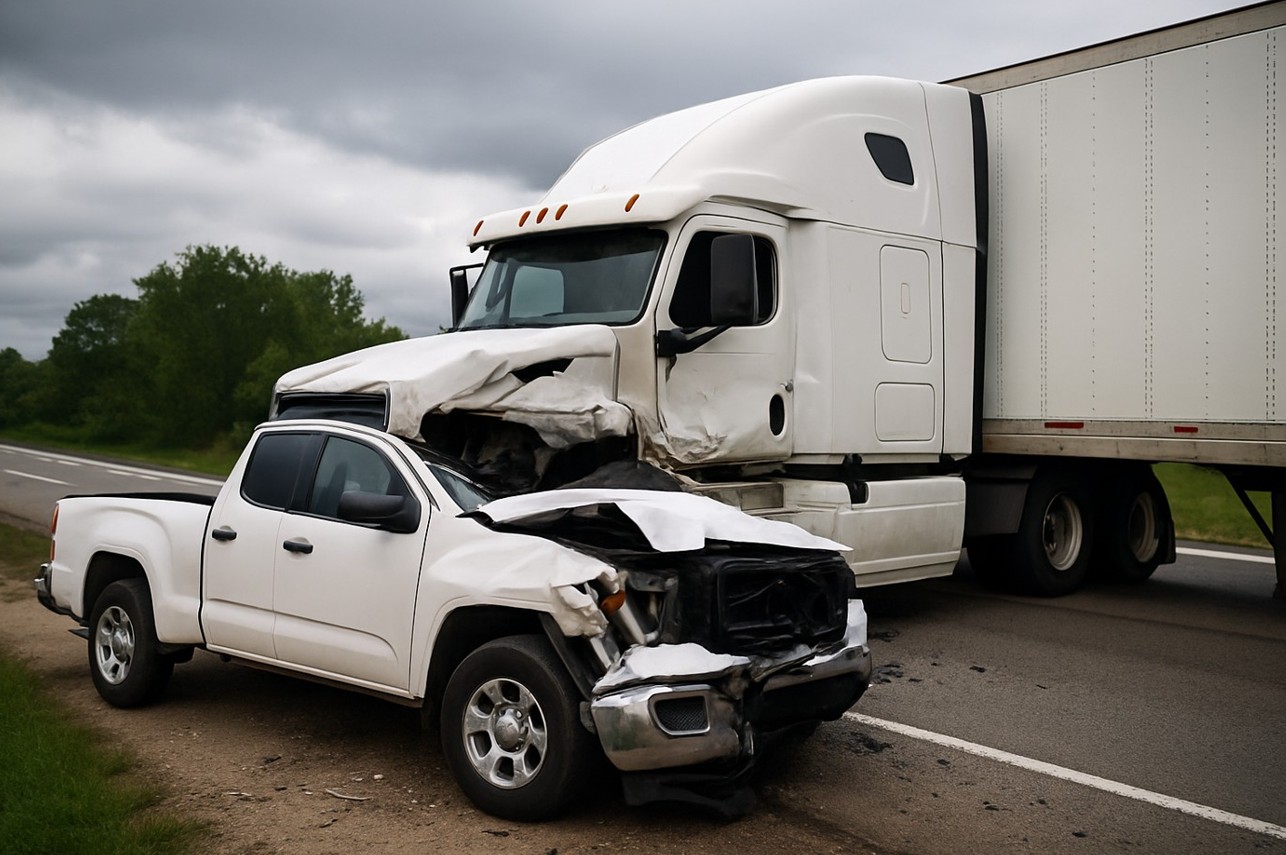
Truck wrecks look simple at first. They usually are not.
A truck crash can seem clear in the first hour. A large truck hits a smaller car. Police arrive. Photos get taken. People trade names. It feels like the story is already written. Then the details start to shift. A truck may belong to one company, but the driver may work for another. The trailer may be owned by someone else. The load inside could have been packed by a shipping crew that never touched the road. That is why truck claims in Houston often turn into layered legal work. A skilled Schechter, Shaffer & Harris, LLP – Accident & Injury Attorneys team does not stop at the crash report. A strong claim asks a harder question: who had control, who made a mistake, and who should pay for the harm? If you need a Houston personal injury lawyer, that question matters from day one.
One crash, several possible responsible parties
A truck driver may have caused the impact. That happens often. Fatigue, speed, missed blind spots, or poor lane changes can lead to serious harm. Still, the driver is not always the only person at fault.
Lawyers usually review several possible sources of blame:
- The trucking company
- The trailer owner
- A cargo loading crew
- A repair shop
- A parts maker
- A third driver on the road
This sounds like a lot because it is a lot. Think of it like a chain. If one link fails, the whole load can shift. A trucking company may push drivers too hard. A dispatcher may ignore rest limits. A brake shop may sign off on worn parts. One bad call made hours earlier can shape what happens on a Houston freeway later that day.
The driver record often tells a bigger story
A lawyer starts with the driver, but not just the driver’s words. They ask for records. Hours on duty matter. Federal rules limit how long truck drivers may stay behind the wheel. If a driver skipped rest, that matters a great deal. Phone records matter too. A text sent seconds before impact can change the case. Training files also matter. Was the driver trained for heavy rain? Was the driver cleared after past crashes? Sometimes a company hires someone with a weak safety record. That detail can shift blame beyond the person in the cab. And yes, lawyers look at drug and alcohol test records when allowed by law. A simple timeline often exposes more than a witness statement.
Black box data speaks when people disagree
Most large trucks carry data systems. People call them black boxes, even though they are not always black.
These systems may show:
- Speed before impact
- Brake timing
- Engine use
- Sudden turns
- Seat belt use
This data can cut through noise. A driver may say brakes failed. The data may show no brake use at all. A company may claim the truck moved slowly. The data may show the truck gained speed just before impact. Here’s the thing: that data must be protected fast. Some systems overwrite old records. That is why lawyers often send notice letters right away. Those letters tell a company not to destroy proof.
Cargo problems create hidden blame
A truck can look normal from the outside and still carry danger. Cargo that shifts inside a trailer can throw off balance in seconds. A sharp turn becomes a rollover. A hard stop becomes a jackknife.
Who loaded the trailer?
That answer matters. A shipping team may have stacked weight unevenly. A freight firm may have skipped tie-down rules. Hazard signs may have been missing. In some cases, the truck driver never loaded the cargo at all. Yet the driver still gets blamed first because the public sees the cab, not the warehouse. Firms like Schechter, Shaffer & Harris, LLP – Accident & Injury Attorneys checks the loading log, the weight slips, and shipping notes. Honestly, those papers can decide the claim.
Maintenance logs can change everything
Big trucks need steady care. Tires wear out fast. Brakes heat up. Lights fail. A missed repair can turn a normal drive into disaster.
Lawyers often ask for:
- Brake checks
- Tire service notes
- Inspection sheets
- Repair invoices
If a company skipped repairs to save time, that matters. A cracked tire does not appear out of nowhere. A weak brake line leaves signs. Sometimes the truck passed inspection on paper but not in real life. That gap raises hard questions. And yes, those questions matter in court.
Why trucking firms push back early
Truck claims carry high costs. Medical bills rise fast. Lost work adds pressure. Long-term pain changes daily life. Because of that, trucking insurers act quickly. They may call early. They may ask for a recorded statement. They may sound helpful. But early calls often serve one goal: limit payout. A person may say, “I’m okay,” while still in shock. Days later, neck pain starts. That first statement then gets used against them. That is why many injured people speak first with a Houston personal injury lawyer before giving long statements. A careful legal team controls the flow of facts instead of reacting to pressure.
Houston roads add their own problems
Houston traffic is heavy, fast, and often messy. Large trucks move through crowded routes every day near Interstate 45 and Interstate 10. Rain makes it worse. Construction zones make it tighter. One small delay can trigger rushed driving. One missed lane exit can create panic. That local road pattern matters because lawyers often use road design, traffic footage, and nearby camera angles. A crash is never reviewed in isolation. The road tells part of the story too.
Building the claim takes patience, not guesswork
A truck claim is not built from one dramatic photo. It comes together piece by piece.
Lawyers usually combine:
- Police reports
- Medical records
- Witness calls
- Truck data
- Safety logs
- Video footage
Then they compare every detail. If one document says the truck stopped late, another may explain why. A strong case feels a bit like putting together a puzzle where some pieces are hidden on purpose. That is why delay can hurt. Proof fades. Video gets erased. Memories soften.
What fair payment usually covers
A truck claim should reflect the full loss, not just the first bill.
That may include:
- Emergency care
- Follow-up treatment
- Lost wages
- Pain and stress
- Future medical costs
- Car damage
Some injuries last much longer than expected. A sore back may turn into months of therapy. A wrist injury may affect work far beyond the crash week. People often think only about today’s cost. The law looks at tomorrow too.
FAQs people ask after a Houston truck crash
1. Can more than one person be legally responsible for a truck crash?
Yes. A truck driver, trucking company, cargo loader, or repair crew may all share blame. Lawyers check who controlled each part of the trip and where mistakes happened.
2. How fast should a lawyer start looking for evidence?
Very fast. Truck data, camera footage, and driver logs can disappear within days. Early legal practice action helps protect key proof.
3. What if the truck company says the driver was an independent contractor?
That does not end the case. A company may still hold legal duty if it controlled routes, schedules, or truck safety.
4. Does black box data always help the injured person?
Not always, but it often shows facts clearly. Speed, braking, and steering data can support or challenge witness accounts.
5. Why work with a firm that handles truck injury cases often?
Truck claims involve federal rules, large insurers, and layered records. Firms like Schechter, Shaffer & Harris, LLP – Accident & Injury Attorneys know where those records hide and how to press for them.
Final thought
Truck crashes hit hard because trucks carry weight, force, and legal layers most people never see. The crash may last seconds. The claim can take months. Still, when the right facts come forward, the picture gets clearer — who failed, who knew, and who should answer for the harm.