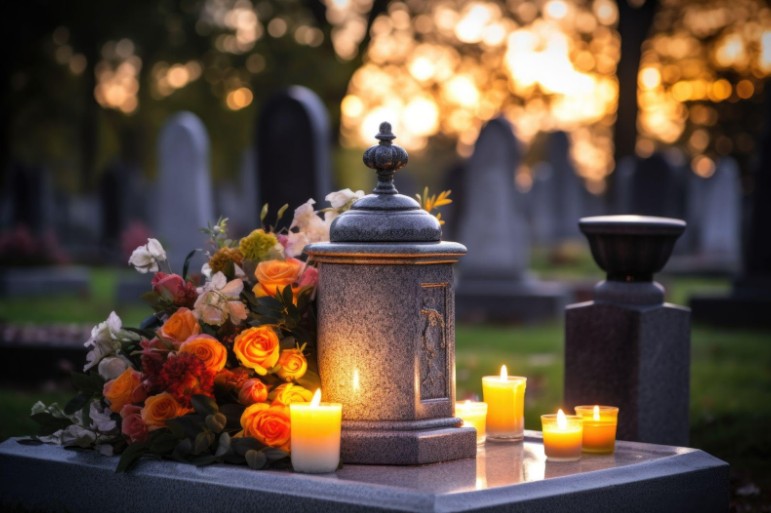
Planning a memorial service is never easy. When emotions are high and time feels limited, even small decisions can feel overwhelming. You want to honor your loved one in a way that feels meaningful, personal, and respectful, but knowing where to start can be hard. That’s where a clear, simple checklist can make all the difference. It helps you stay organized, reduces stress, and ensures nothing important is missed.
In this blog, you’ll find a practical, step-by-step checklist to help you plan a memorial service that truly reflects a life well lived while supporting family and friends through the day.
The Ultimate Memorial Service Checklist: First Steps to Start Planning
Those first decisions feel impossible, don’t they? But here’s what actually works: tackle the essentials first, and everything else falls into place more naturally.
Get this: research shows over 50% of folks under sixty know about living funerals and celebration-of-life events, yet barely a quarter feel equipped to plan one themselves. That tells you something important: feeling lost right now is completely normal. You need structure, not more confusion.
Tampa, located along Florida’s Gulf Coast, is home to a diverse and steadily growing population, which makes thoughtful memorial planning an important topic for families in the region. Whether honoring long-standing local roots or loved ones who recently relocated, having a clear plan helps ease decision-making during an emotional time. Families exploring cremation in tampa fl should also verify authorization paperwork, urn selection, and placement options within local cemetery regulations.
Handling Obituaries and Initial Paperwork
Start here: draft that obituary and round up your documents. Keep it personal but tight, basic life story, who survives them, when and where the service happens. Meanwhile, hunt down the death certificate, insurance papers, and anything they might’ve arranged ahead of time. You’ll be asked for these repeatedly, so get them organized now.
Coordinating with Funeral or Cremation Providers
Looking into cremation? You’ll find everything from no-frills direct cremation to full-service packages with viewings and reception spaces. Comparison shops like you mean it, services, pricing, the actual facilities. Ask questions until you’re satisfied. Good providers never dodge your concerns; they welcome them.
Setting a Realistic Timeline
Most services happen one to two weeks out, but nobody’s watching the clock that closely. Factor in travel schedules, venue openings, and honestly, how you’re holding up emotionally. Extra breathing room beats rushed decisions every single time. Write down your deadlines and loop in anyone helping you coordinate.
Building a Personalized Memorial Service Planning Guide
Once you’ve handled the must-dos, you can focus on what really matters, making this service unmistakably theirs.
Meaningful Choices: Selecting the Right Venue and Date
Funeral chapels and churches, sure. But also parks overlooking water, neighborhood centers, even someone’s backyard. What would’ve felt right to them? The lifelong hiker might want trees overhead; the devout member probably wants their own congregation’s space. Book early, popular spots fill up fast, especially certain times of year. Confirm how many people they can actually accommodate.
Honoring Traditions and Unique Preferences
Your family’s background shapes this moment. Religious ceremonies, secular celebrations, or something blended, whatever honors who they were. Did they collect vintage motorcycles? Champion animal rescue? Weave that in. Authenticity beats convention every time, and guests will feel the difference.
Essential Memorial Service Tips for Choosing Cremation and Burial Options
Vision established? Great. Now comes the practical decision about final arrangements that matches your budget and values.
Why More Families Are Turning to Cremation
Cremation keeps gaining ground for good reasons: budget flexibility, timing control, options for splitting remains among family, scattering at meaningful spots. The cultural shift is real. People want creative memorialization now, jewelry containing ashes, environmental tributes, things that weren’t conceivable a generation ago. That’s the advantage of cremation becoming so widely accepted.
Navigating Local Laws and Paperwork Seamlessly
Florida mandates waiting periods before cremation and specific permits depending on circumstances. Your provider handles most of it, but knowing the basics prevents surprises. Burial means coordinating with cemeteries, plot selection, headstone rules, ongoing maintenance costs. Interested in green burial? A eco-conscious options are expanding for families who prioritize environmental impact.
Crafting a Heartfelt Ceremony: Elements to Consider
Past the logistics sits the ceremony’s soul, where memories become something communal and healing.
Studies on living funerals confirm what you probably already sense: thoughtfully planned memorial events genuinely boost psychological wellbeing and strengthen social bonds, even during terminal illness. Translation? The effort you’re putting in creates real emotional value for everyone attending.
Personal Tributes and Eulogies, Ideas from Real Families
Forget rigid formats for eulogies. Maybe five people share three-minute memories. Maybe one person delivers something comprehensive. Open-mic segments let spontaneous stories emerge naturally. Photo collages, video montages, memory boards, they all give visual weight to a life that mattered.
Music, Readings, and Multimedia Touches to Celebrate a Life
Nothing hits emotionally like the right music. Pick what connected with them, hymns, Hendrix, Hamilton, whatever. Readings span religious texts, poetry, novels, even their favorite movie lines. Multimedia pieces can stitch together decades of photos, video clips, and voice recordings into something genuinely moving.
Innovative Elements: Live Streaming, Virtual Guests, and Tribute Websites
Technology changed memorial accessibility forever. Live streaming brings distant loved ones into the moment; recordings let people process it later at their own pace. Online memorial spaces become permanent gathering points for photos, condolences, and stories that continue long after. For scattered families, these tools aren’t optional extras anymore, they’re essential.
Memorial Service Planning Checklist: Day-Of and Post-Service Actions
Beautiful tributes still require flawless execution, which means managing details before, during, and after the actual ceremony.
Managing Guest Lists, RSVPs, and Virtual Attendees
Estimate attendance first, typically fifty to one-fifty people, though variation is huge. Announce through multiple channels: published obituaries, social platforms, emails, personal calls for the closest circle. Virtual attendance? Test your technology beforehand and assign someone to manage streaming during the service itself.
Handling Donations, Memorial Gifts, and Keepsakes
Many families prefer charitable donations over flower arrangements. State this preference clearly with specific organization names and donation links. Consider small takeaway keepsakes, photo bookmarks, seed packets, custom prayer cards. These physical reminders extend the experience past those couple of hours.
Post-Service Gatherings: Luncheons, Receptions, and Unique Send-Offs
Receptions give people informal connection time for shared memories. Pick your venue by budget and headcount, restaurants, halls, private homes all serve the purpose. Food-wise, keep it simple: sandwich trays, salads, desserts handle crowds without drama. Creative families sometimes plan balloon releases, memorial tree plantings, or group volunteer work honoring the deceased’s passions.
Helpful Memorial Service Planning Resources and Expert Support
Even armed with comprehensive checklists, you don’t navigate this alone, support systems exist specifically for this moment. They offer bereavement counselors, grief support circles, and clergy experienced in memorial coordination.
Funeral homes typically provide complimentary planning templates, budget calculators, and vendor connections. Check online resources too: the Funeral Consumers Alliance breaks down state-specific laws and consumer protections. Leaning into expert support reduces your burden and sharpens your decision-making throughout.
Key Strategies for Creating Lasting Memorial Keepsakes
Expert guidance smooths the process, but tangible keepsakes give families something precious to hold onto later.
Custom programs, guestbooks, photo displays become treasured items. Professional video editing transforms tributes into shareable family archives for those who missed it. Newer options include 3D-printed urns, QR-code memorial plaques linking to digital tributes, even fingerprint jewelry. These personalized elements transform grief into enduring connection.
Moving Forward with Confidence and Care
Planning a memorial service ranks among life’s hardest emotional tasks, but a solid memorial service planning guide transforms overwhelming into manageable. Breaking everything into clear steps, from initial documents to personalized tributes, creates space for both efficiency and heartfelt remembrance.
Here’s what matters most: there’s no universal “correct” approach to honoring someone. The best services reflect genuine connections, treasured memories, and that person’s irreplaceable spirit. Trust your instincts, use available support, and recognize that your thoughtful planning creates lasting value for everyone gathering to remember and heal together.
Common Questions About Planning a Memorial Service
How far in advance should you plan a memorial service?
Services typically happen one to two weeks after death, though preplanning beats everything. Early coordination accommodates travel, secures venues, and allows thoughtful design without panic-mode decision-making.
Can a memorial service be held after cremation?
Absolutely, and many families prefer it. Cremation removes time pressure, scheduling your memorial days, weeks, or months later. That breathing room often produces more personalized, meaningful celebrations.
Who typically speaks at a memorial service?
Family, close friends, clergy, or professional celebrants commonly speak. Some services feature multiple brief speakers; others designate one primary voice. Choose what feels appropriate for your situation.