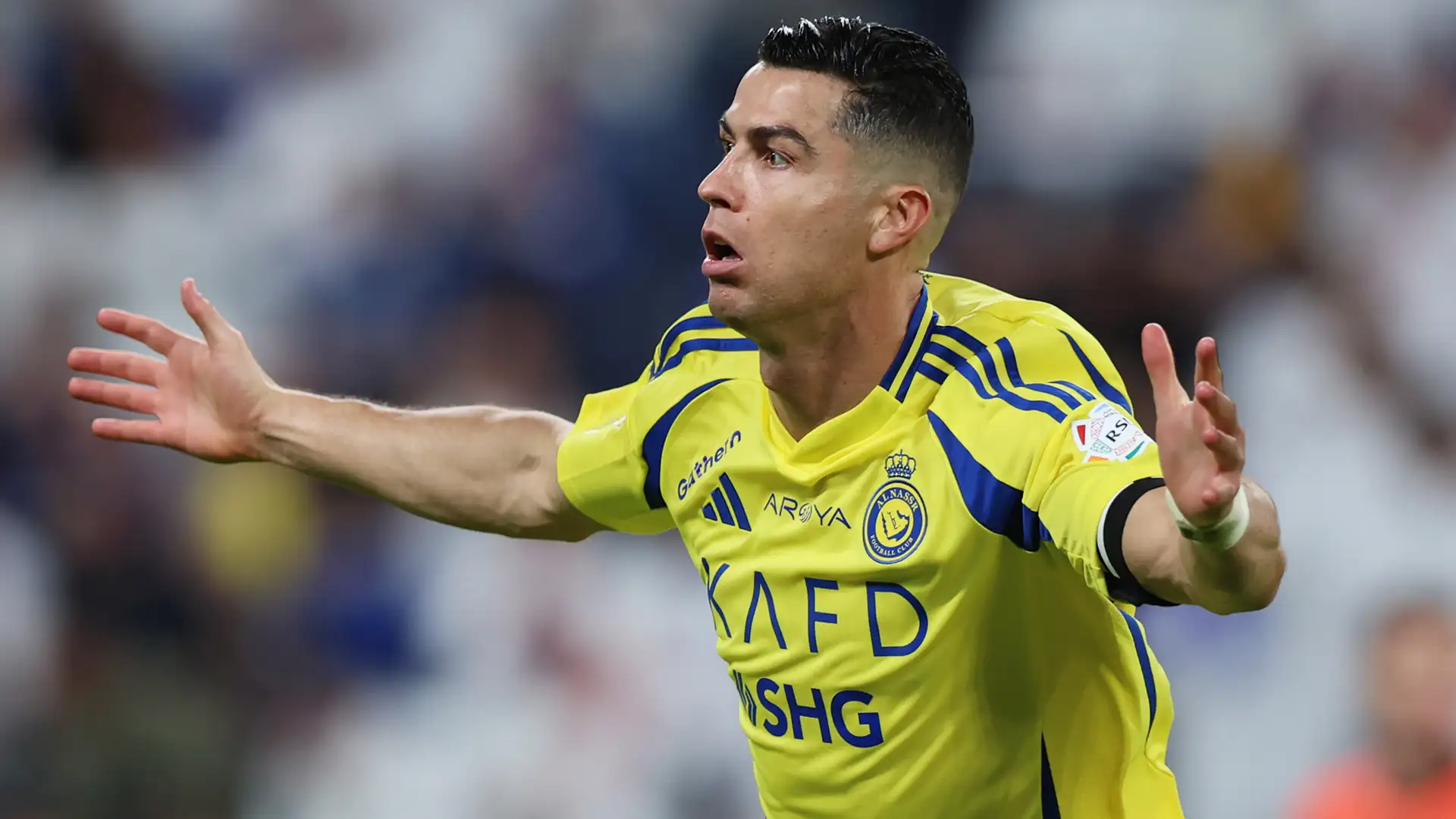
Cristiano Ronaldo is one of football’s most recognizable icons, celebrated not only for his achievements on the pitch but also for his impact off it. As his career winds down, speculation grows about what comes next for the Portuguese star. One possibility that excites fans and analysts alike is the prospect of Cristiano Ronaldo owning his own football club.
Such a move would not only be a milestone in his career but could also reshape football’s sporting and business landscapes. To understand how realistic and transformative this idea could be, we must first examine Ronaldo’s career foundations and the global brand power he has built.
Ronaldo’s Career Foundations Leading to Club Ownership
Ronaldo’s potential entry into club ownership is the product of decades of dedication, success, and commercial growth. His career has spanned Sporting Lisbon, Manchester United, Real Madrid, Juventus, and Al Nassr, with each move reinforcing his reputation and financial capabilities.
Beyond the pitch, Ronaldo has become a brand empire, with endorsements, sponsorships, and personal ventures such as CR7 hotels, gyms, and fashion lines. These ventures, coupled with his football earnings, have given him the financial strength and experience to transition from player to investor and possibly owner.
Achievements That Built His Financial and Brand Strength
Several key achievements have positioned Ronaldo to pursue club ownership:
- Five Ballon d’Or titles cementing him as one of the greatest players in history.
- Champions League dominance with Real Madrid, where he became the competition’s all-time top scorer.
- International success with Portugal, including Euro 2016 and the Nations League in 2019.
- Global brand endorsements, including Nike, Herbalife, and Clear, alongside his personal CR7 empire.
These milestones are more than career highlights—they are the backbone of a brand powerful enough to attract investors, sponsors, and fans to any club Ronaldo decides to build or purchase.
Ronaldo’s Vision for His Own Football Team
If Ronaldo becomes a club owner, his vision is likely to reflect the qualities that defined his career: professionalism, ambition, and global appeal. Unlike traditional investors who prioritize profit margins, Ronaldo could design his club to embody a philosophy of player development, winning culture, and worldwide branding.
His vision might include:
- Elite training facilities focused on fitness, discipline, and recovery—areas Ronaldo mastered during his career.
- A global scouting network to discover young talent, giving them opportunities similar to those Ronaldo had at Sporting Lisbon.
- Entertainment-driven fan engagement, blending football with lifestyle branding, digital content, and interactivity.
In short, Ronaldo’s vision would likely combine competitive excellence with global branding, positioning his club as both a football powerhouse and a cultural brand.
Financial and Business Aspects of Club Ownership
Owning a football club requires more than ambition—it requires a sustainable business model. Ronaldo, having worked with some of the biggest clubs in the world, understands the financial realities of football, from television rights to sponsorship deals.
The business side of Ronaldo’s ownership could include:
- Revenue diversification through ticket sales, merchandising, digital streaming, and hospitality services.
- Partnerships with global brands, leveraging Ronaldo’s existing sponsorship network.
- Investment in infrastructure, such as stadiums and academies, to secure long-term growth.
This mix of sporting ambition and business acumen could ensure his club is not only competitive on the field but also sustainable financially.
Influence on Players and Staff Development
Perhaps the most direct impact of Ronaldo’s ownership would be on players and staff. As a mentor and icon, Ronaldo could set a new standard for professionalism, fitness, and discipline.
- Players would benefit from his guidance on training, diet, and mentality.
- Coaches could gain insights from Ronaldo’s experience under some of football’s greatest tacticians.
- Staff might adopt his approach to leadership, organization, and detail-oriented preparation.
This influence is comparable to other legendary figures like David Beckham, whose involvement with Inter Miami has already attracted global attention and inspired young players. Ronaldo’s presence would make his club a magnet for ambitious athletes eager to learn from one of the best.
Media Coverage and Global Reactions to Ronaldo’s Club Project
The announcement of Ronaldo owning a club would dominate headlines worldwide. Media outlets would analyze every aspect—from his financial partners to the league he chooses.
Fans would also react passionately. For Ronaldo’s supporters, it would be an opportunity to connect with his journey beyond his playing days. Rival fans would follow out of curiosity, and sponsors would see immense opportunity in aligning with such a high-profile project.
This media attention would not only promote his club but also elevate the league it belongs to, creating ripple effects across global football.
Cultural and Economic Impact of Ronaldo’s Club
The influence of Ronaldo’s ownership would go far beyond football. Culturally, his club could become a source of pride for Portugal or whichever region it is based in. Economically, it could drive tourism, create jobs, and attract investment.
Examples from other football icons show this potential. Beckham’s Inter Miami boosted interest in Major League Soccer, while Ronaldo’s club could similarly reshape the profile of any league he joins. His influence could transform local communities, inspiring young athletes and generating long-term economic growth.
Long-Term Legacy of Ronaldo as a Club Owner
If Ronaldo successfully builds or acquires a football club, his legacy would extend far beyond his playing achievements. He could be remembered as:
- A pioneer player-owner, setting trends for other stars to follow.
- A leader in youth development, creating pathways for future generations.
- A global cultural figure, blending sports, business, and lifestyle branding.
This legacy would make Ronaldo not just a football icon but a visionary whose impact reshaped the industry.
Fan Engagement and Football as Entertainment
Football is more than a sport—it is a cultural experience. Ronaldo’s club would likely reflect this, integrating entertainment, fan interaction, and lifestyle branding.
From interactive social media content to digital match-day experiences, his club could set new standards in fan engagement. The blending of football with entertainment would ensure that fans feel part of the journey, even if they are thousands of miles away.
Platforms Where Fans Can Follow Football Stories
Fans eager to stay connected with Ronaldo’s potential ownership journey can explore trusted platforms that combine football news with entertainment:
- “To keep up with more football stories and related services, explore ทางเข้ายูฟ่าเบท168, which provides both news and interactive experiences.”
- “For fans who enjoy learning strategies and engaging more deeply, UFABET เว็บหลัก offers useful insights and entertainment options.”
These resources help fans remain engaged with the broader football culture while following Ronaldo’s evolving story.
Conclusion – Ronaldo’s Potential as a Football Club Owner
Cristiano Ronaldo’s career has always been about setting new standards. The idea of him owning a football club fits perfectly into that narrative. With his financial resources, global brand, and leadership qualities, he is well-positioned to succeed in this ambitious venture.
His vision would likely combine youth development, competitive excellence, and global entertainment, reshaping not just a single team but also the football landscape around it. Economically, culturally, and socially, Ronaldo’s project could leave a lasting impact for generations.
In the end, Ronaldo’s transition from player to owner would not just mark the next chapter in his journey—it would symbolize the evolution of football itself. Fans should continue following his story, as it may soon include a legacy built not only on goals and trophies but also on the creation of a football empire.