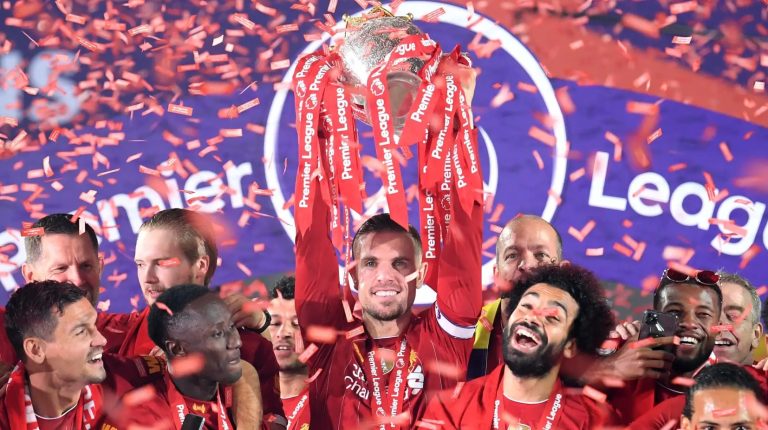
Betting on the 2019/2020 Premier League season required more psychological stability than usual because the campaign was interrupted for over three months and then restarted behind closed doors, which intensified emotional reactions to every match. When those reactions drive stake sizes and bet choices, long-term results become dominated by tilt, chasing, and overconfidence rather than by any genuine football insight.
Why Discipline Was Essential in the 2019/2020 Season Context
The league was suspended in March 2020 due to the COVID-19 pandemic and did not resume until mid-June, with all remaining fixtures played in empty stadiums and televised in staggered time slots. That structure created long periods of waiting, followed by dense clusters of matches where bettors could place wagers almost every day, increasing both temptation and emotional fatigue.
In this environment, each dramatic goal, refereeing decision, or VAR call stood out more sharply because of the silence in the stands and the constant TV coverage. As psychology-focused guides note, when stress and excitement rise, the brain leans on shortcuts, leading to higher stakes, more bets than planned, and a weaker connection between analysis and action—precisely the opposite of disciplined betting.
How Emotional Betting Typically Shows Up Across a Premier League Campaign
Emotional betting is not just a single bad decision; it is a pattern where feelings repeatedly override a pre-set plan. Researchers and betting psychologists describe several recurring behaviours: chasing losses, increasing stake sizes after defeats, overbetting during winning streaks, and entering markets purely to relieve anxiety or boredom.
During the 2019/2020 Premier League season, this pattern often surfaced after late goals or controversial VAR reversals, which turned winning positions into losses in seconds. The immediate urge to “get it back” typically led bettors to place riskier bets, at higher odds or in less familiar markets, turning ordinary variance into sustained bankroll damage as discipline gave way to impulsive response.
Common Emotional Traps and Their Effects on Betting Decisions
Emotional traps can be broken down into a few core mechanisms that repeatedly distort judgement when betting on a long league season. Guides on loss chasing and betting psychology show that each trap encourages a specific shift in behaviour—more bets, bigger stakes, or lower-quality selections—that steadily undermines any strategic edge.
Table: Emotional Traps in 2019/2020 Premier League Betting
| Emotional trap | Trigger in 2019/2020 context | Typical reaction | Long-term effect on results |
| Chasing losses | A bad beat, VAR overturning a win, losing several bets in a row | Increasing stakes or frequency to “recover” quickly | Escalating exposure and cumulative losses as the plan is abandoned |
| Overconfidence after wins | A strong weekend of correct calls, especially in televised matches | Relaxing limits, backing more favourites, adding risky multiples | Volatile swings and big setbacks when variance turns against the bettor |
| FOMO on heavy TV schedule | All 92 restart matches aired live across staggered time slots | Feeling compelled to bet every kickoff just to be involved | Portfolio of low-value bets and poor tracking of what actually has edge |
| Tilt after perceived injustice | A red card, penalty, or offside decision deemed unfair | Switching to impulsive, aggressive bets without analysis | Rational strategy replaced by short-lived emotional reactions, eroding bankroll |
This breakdown shows that emotional traps consistently push bettors toward more volatility and weaker prices, not because their football knowledge disappears, but because their decision process changes under stress. Recognising these traps turns discipline from a vague ideal into a set of targeted countermeasures that address specific, predictable shifts in behaviour.
Distinguishing Process Quality from Short-Term Outcomes
A key pillar of disciplined betting is to judge decisions by whether they followed a sound process, not by whether the last shot went in or stayed out. Research on gambling behaviour notes that single outcomes strongly influence emotions, but long-term success depends on consistently making bets with positive expected value, even if they sometimes lose.
In the 2019/2020 Premier League season, the restart’s dense schedule meant losing and winning streaks could cluster over a short period simply due to variance. Bettors who reviewed their bets in batches—looking at whether they beat closing odds, stayed within staking rules, and reflected real information rather than attachment to a team—were better equipped to maintain their approach than those who rewrote their plan after every painful defeat.
Building Pre-Bet Routines to Insert a Pause Between Emotion and Action
Practical guides on emotional control emphasize routines and checklists as tools to create a short pause before placing a bet, which weakens the link between feeling and immediate action. For a Premier League bettor in 2019/2020, that routine needed to work both on typical weekends and during the intense restart phase when kickoffs followed one another quickly.
A functional pre-bet routine might have required three small actions before confirming any wager: verifying stake size against a fixed percentage of bankroll, writing a brief rationale that can be reviewed later, and checking whether current odds still justify the bet after late team news or line moves. Each of these steps slightly slows the decision and re-engages analytical thinking, reducing the chances that anger, euphoria, or fear of missing out becomes the main driver of a new stake.
Mechanisms: Loss Limits, Cool-Off Rules, and Session Boundaries
Beyond routines, disciplined bettors use explicit structural rules—loss limits, cool-off triggers, and session boundaries—to stop emotional spirals once they begin. Studies on loss chasing highlight that the shift from recreational to disordered gambling is often marked by abandoning a pre-determined strategy and escalating stakes to recover previous losses. Setting a daily or weekly loss limit, after which all betting automatically pauses, directly targets this escalation by capping how much damage a bad run can do.
Cool-off rules add a second safeguard: after a clear tilt event, such as a last-minute VAR reversal or two impulsive live bets in a row, the bettor must take a break—often at least 15–30 minutes—before making any further decisions. During the 2019/2020 restart, when multiple matches aired on the same day, these boundaries prevented a single frustrating game from bleeding emotionally into the next kickoff and turning a manageable setback into an entire weekend of chasing.
Managing Live Betting Pressure in the Restart Phase
In-play betting magnified emotional risk in 2019/2020 because every televised match offered rapid-fire opportunities to react to goals, injuries, and tactical shifts. Psychological analyses note that under high arousal—stress, excitement, or fatigue—people rely more on impulses and less on probability-based reasoning, leading to more and lower-quality bets in live environments.
To protect discipline, bettors could restrict themselves to a small set of predefined scenarios that justify live entry, such as a specific price threshold after a tactical change, and to a strict maximum number of in-play bets per match or per day. Combining these scenario rules with a total exposure cap for live markets ensured that late drama—common in a season with compressed fixtures and no crowd noise—could not trigger an uncontrolled sequence of emotionally driven wagers.
Using a Sports Betting Service Without Letting It Set Your Mood
Interface design itself can subtly undermine discipline, because constant notifications, highlighted odds, and cash-out prompts keep attention anchored on short-term outcomes. Guides on betting psychology point out that such stimuli encourage reactive behaviour, nudging bettors to respond emotionally to fresh information instead of following prewritten plans. In the context of the 2019/2020 Premier League season, with matches spread across many broadcast slots, one way to reduce this influence was to treat the account environment of a sports betting service such as ufabet168 as a transaction-only tool: the bettor would log in with already-chosen selections and stake sizes, place those bets, quickly confirm that exposure matched their limits, and then log out, avoiding extended browsing that might tempt them into impulsive live bets or extra accumulators based purely on what the interface chose to highlight at that moment.
Keeping Premier League Betting Separate from Other Gambling on a casino Online Website
Discipline also depends on how funds are organized. When the same balance is used both for structured sports betting and other forms of gambling on the internet, it becomes difficult to tell whether a bankroll strategy is working or whether results are being distorted by unrelated games. Behavioural commentary on loss chasing notes that mixing activities encourages cross-subsidising: a loss in one area prompts risky bets in another to “make it back”, which accelerates financial and emotional swings.
For someone focused on the 2019/2020 Premier League, a more disciplined approach is to ring-fence a fixed amount solely for league betting and track only those wagers when reviewing performance, even if their login also gives access to a broader casino online website. By quarantining entertainment spending in other games into a different budget, the bettor protects the analytical project of season-long betting from being silently eroded by spur-of-the-moment decisions elsewhere, preserving clearer feedback on whether their football strategy is genuinely sound.
Summary
The unusual shape of the 2019/2020 Premier League season—suspension, restart, and wall-to-wall live coverage—made emotional swings more intense and more frequent for anyone betting on the league. Emotional traps such as chasing losses, overconfidence after wins, tilt after perceived injustice, and FOMO on televised matches systematically push bettors toward larger stakes, more bets, and weaker value, gradually disconnecting results from any underlying football edge.